Why cataracts are often ignored at first
A cataract is a cloudy area in the lens of the eye. In the early stage, people usually do not feel pain or a dramatic drop in sight. They just start making little adjustments. Brighter lights for reading. More effort at night. A second look at road signs that used to feel easy.
That slow change is why cataracts are often tolerated longer than they need to be. The question is not whether the cataract exists. The real question is whether it is now getting in the way of daily life.
Many patients say the same thing in different words: 'I can still see, but I do not see comfortably anymore.' That is often the point where a proper cataract discussion becomes useful.
What patients usually notice before they ask about surgery
The most common complaints are cloudy vision, more glare from headlights, trouble seeing at night, and colours that look dull or faded. Some people also notice that glasses stop helping the way they used to.
You might still pass through the day, but the effort goes up. Reading small print becomes tiring. Driving after sunset feels stressful. Faces across the room are less crisp. Those are the practical signs that matter most.
Cataracts can also be confused with other eye issues, which is why a proper exam matters. Blur is not always just a cataract. The retina, cornea, and eye pressure may need attention too.
So when is the right time to say yes to surgery?
The timing is usually based on function, not fear. Surgery is often discussed when vision loss starts interfering with work, reading, driving, walking safely, or enjoying daily tasks. If the cataract is stealing confidence or independence, it is worth talking seriously about treatment.
This is also why two people with similar cataracts may choose surgery at different times. A person who drives every night may reach that decision sooner than someone whose daily routine is mostly indoors in bright light.
The key point is simple. Cataract surgery is not usually about waiting until vision becomes terrible. It is about stepping in when the blur has started changing the way you live.
A cataract does not have to become severe on paper before it becomes a real problem in ordinary life.
What happens during the cataract evaluation
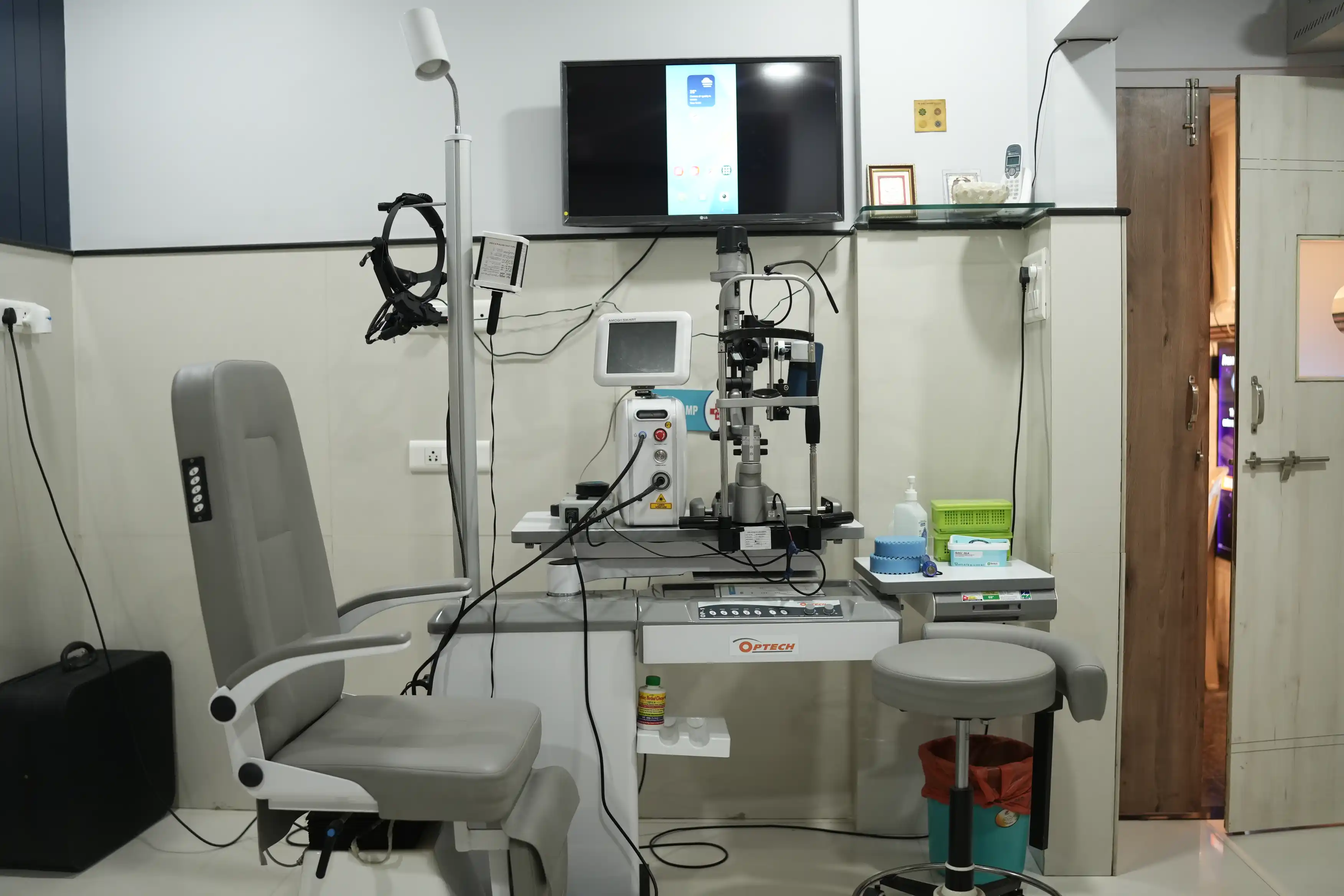
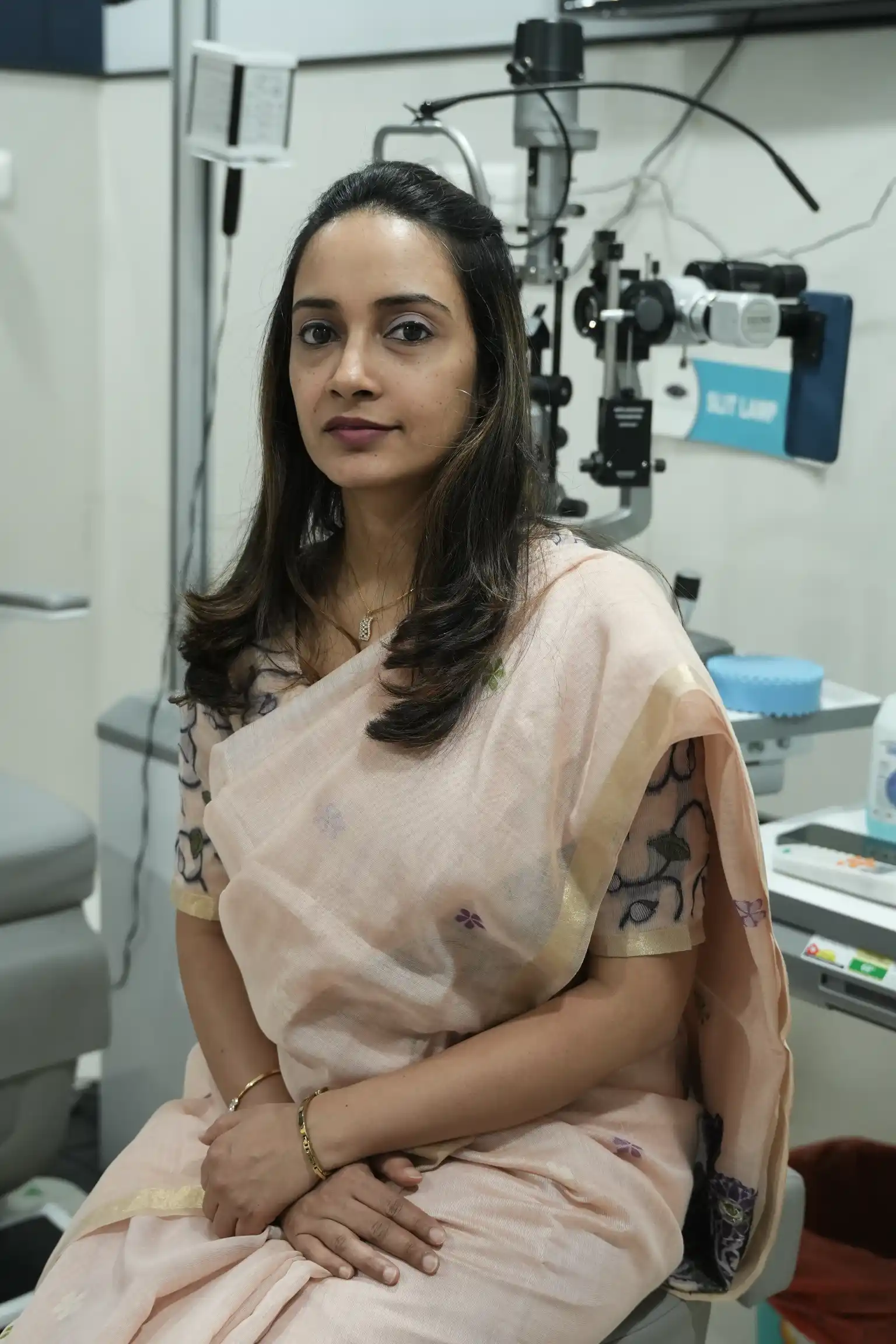
The consultation is not just a quick look and a surgery date. The doctor checks how much the cataract is affecting sight, whether anything else in the eye is also contributing, and what kind of visual result is realistic after surgery.
This is important because some patients have other eye conditions, especially retinal disease, glaucoma, or diabetic changes. In those cases, the surgeon needs the full picture before setting expectations.
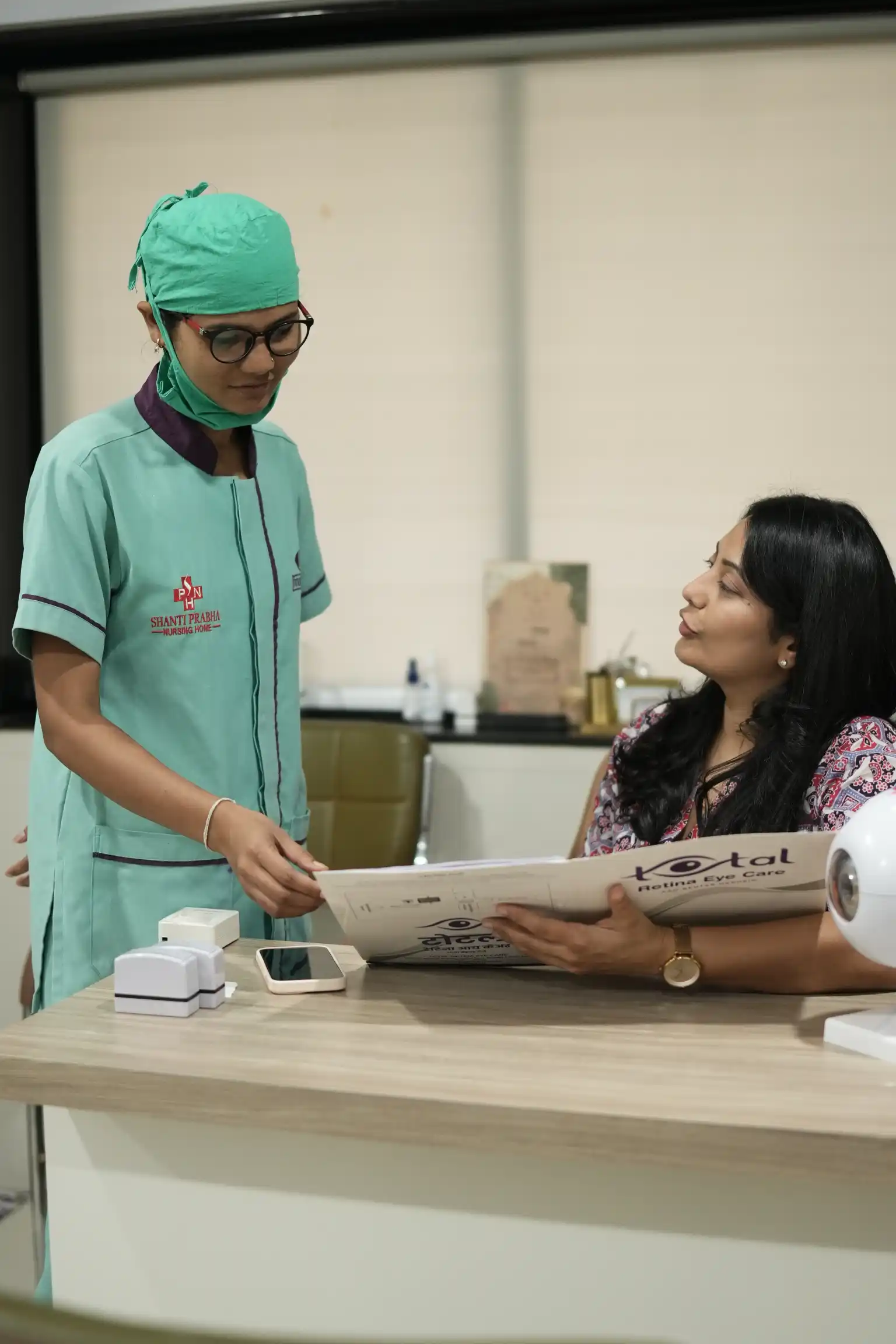
It is also the visit where patients can ask the questions they are really carrying: Will I still need glasses? How long will I rest? Is both-eye surgery done together? The clearer that discussion is, the easier the decision usually becomes.
Lens choices, in plain language
During surgery, the cloudy natural lens is removed and replaced with an artificial lens. This is called an intraocular lens, or IOL. Many patients hear this term and immediately worry that they need to understand every technical option before they can decide. They do not.
What matters is how you use your eyes. Some lenses are chosen with distance vision in mind. Some help if there is astigmatism. Some may reduce dependence on glasses in selected patients. The best choice depends on the eye, the health of the retina, and the patient’s daily priorities.
A good lens discussion should feel practical, not confusing. If a plan is right, you should be able to understand why it fits your life.
What recovery usually feels like
Most patients are surprised by how manageable recovery feels, but it still needs care. The eye may feel a little scratchy, bright light can feel strong, and drops usually become part of the routine for a while.
Vision often starts improving early, but not every eye settles at the same speed. If there is underlying retinal disease, healing may still be smooth but the final vision discussion has to stay realistic.
The safest approach is to treat recovery as simple but important. Use the drops exactly as told. Do not rub the eye. Keep follow-up visits. If pain is unusual or vision drops instead of improves, call the clinic.
What to do if you think you are close to that stage
Notice the patterns. Is night driving becoming stressful? Are you asking for brighter light more often? Do colours look flat? Do people’s faces seem softer than they used to? Those small details help the doctor judge how much the cataract is affecting real life.
Bring your old glasses, previous prescriptions, and any older eye reports if you have them. If you also have diabetes, glaucoma, or retinal treatment history, mention that early in the visit.
Cataract surgery is one of the most common eye procedures for a reason, but the decision still works best when it is made at the right time and with clear expectations. That is what turns a cloudy, frustrating problem into a calmer next step.