Why glaucoma is so easy to miss
Glaucoma usually does not begin with pain or obvious blur. In the early stage, many patients still feel that their eyes are doing fine. That is what makes it dangerous.
The vision loss often starts slowly in the side vision. Because that change is gradual, the brain can adapt for a long time. A person may keep functioning normally without noticing that the visual field is narrowing.
By the time the loss becomes obvious, the disease may already be advanced. That is why glaucoma is not a condition that should be judged by symptoms alone.
Who should take screening seriously
Anyone can develop glaucoma, but some people need to stay more alert. Risk is higher in older adults, people with a family history of glaucoma, and people who have been told they have high eye pressure.
People with diabetes also have another reason to stay consistent with eye care. The eyes do not benefit from guesswork when several risk factors may be overlapping.
If glaucoma runs in the family, that detail matters more than many people realise. Family history is one of the strongest reasons to stop postponing a proper exam.
What the glaucoma exam usually includes
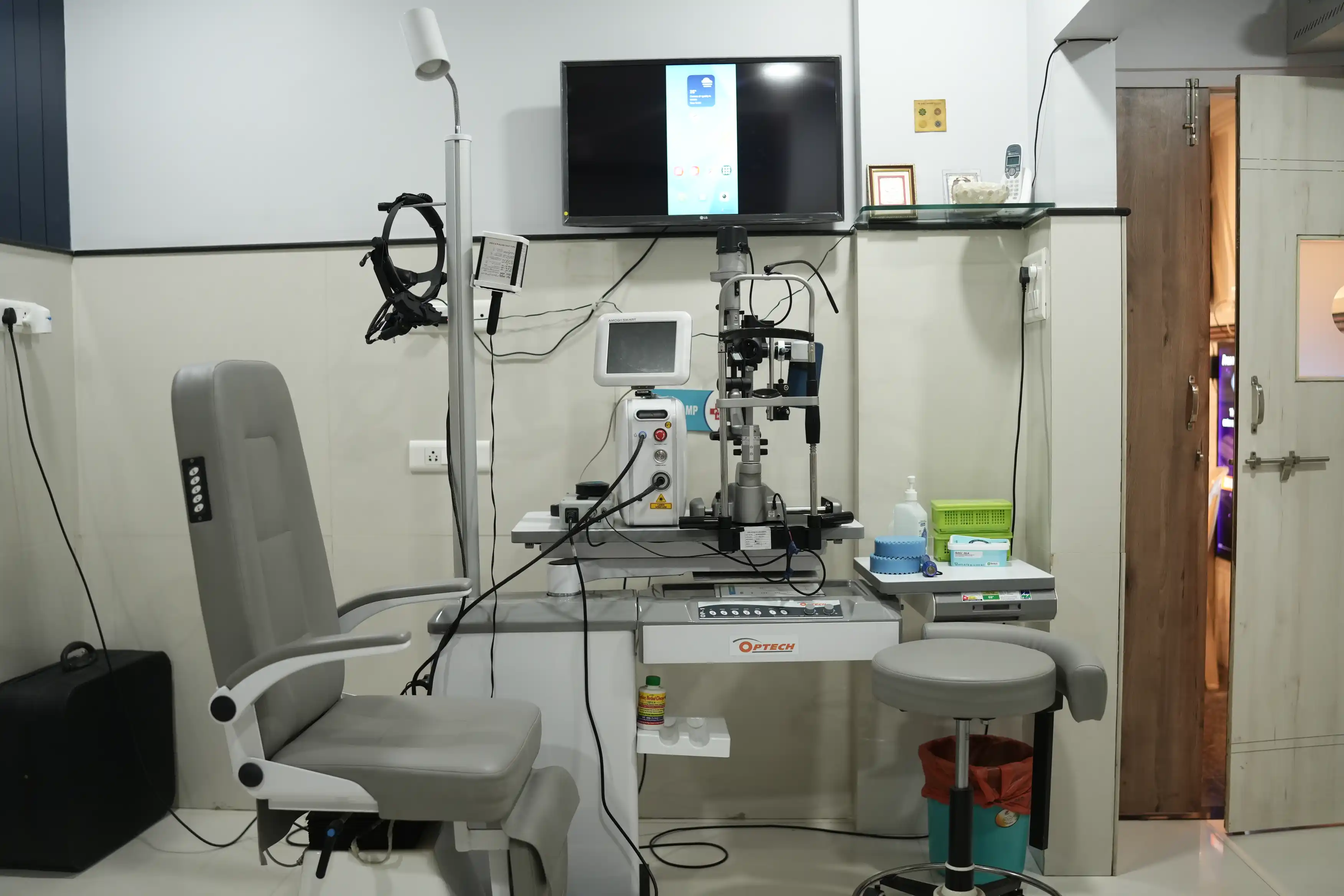
A glaucoma work-up may include checking eye pressure, looking carefully at the optic nerve, and examining the eye after dilating the pupil. Some patients also need imaging or a visual field test to see whether any damage has already started.
That combination matters because no single number tells the whole story. Eye pressure is important, but glaucoma decisions are made from the full picture, not just one reading.
Good glaucoma care is about pattern and follow-up. One visit can raise suspicion. A sequence of proper exams shows whether the nerve is stable or changing.
Glaucoma is usually found by testing, not by symptoms. That is the whole point of screening.
Why early detection changes the story
Vision already lost from glaucoma usually cannot be restored. That is the hard truth patients need to hear clearly. The goal of care is to protect the vision that remains and slow future damage.
This is exactly why early detection matters so much. If glaucoma is found before the patient feels a difference, treatment can begin before everyday sight is significantly affected.
That is a far better position than discovering the problem only after side vision has quietly narrowed for years.
What patients often get wrong about glaucoma
A lot of people assume they are safe because there is no pain. Others assume a normal glasses prescription means the optic nerve must also be fine. Neither is true.
Glaucoma can progress quietly while a patient still reads reasonably well and continues with daily life. It is also possible to feel no warning signs at all in the early stage.
The safest mindset is simple. If you are in a higher-risk group, regular testing is not optional background care. It is the main way the disease is found in time.
When to book sooner instead of later
If you have a family history, if you are over 60, or if another doctor has mentioned raised eye pressure, do not keep waiting for a more dramatic reason to come in. You already have a reason.
The same goes for patients who have been told to repeat a visual field test or come back for optic nerve monitoring. Delaying those follow-ups defeats the purpose of careful glaucoma care.
Consistency is what protects sight here. Not intensity once a problem becomes obvious.
The takeaway patients should remember
Glaucoma is not the kind of eye disease that politely announces itself. It usually asks patients to act before they feel a reason to act. That can be difficult, but it is exactly why screening matters.
If you are at risk, get tested. If you have already been told to return, keep the follow-up. If you have a family history and have never had a proper glaucoma review, that is worth changing.
The earlier glaucoma is found, the more sight can usually be protected. That is the part patients can still control.